

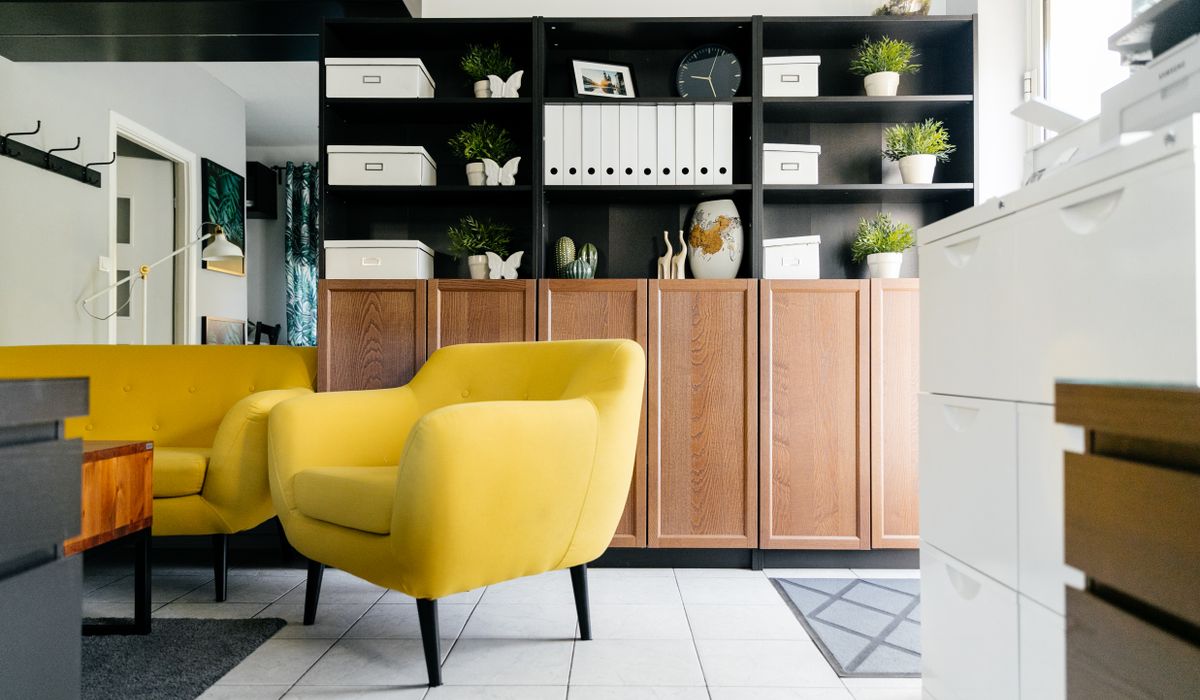
Why Compact Living Demands Clever Choices
British apartments have a habit of being charming on the outside and surprisingly tight on the inside. Between box rooms, awkward chimney breasts and windows that seem to have been positioned purely to make furniture placement difficult, a modest floor plan asks a lot of every piece you bring through the door. The good news is that designing for a small space is not about sacrifice. It is about choosing pieces that work harder, fold away, or serve two purposes at once. The aim is simple: keep the floor as clear as possible and let your furniture adapt to whatever the day throws at you.
Before you buy anything, measure your room properly – including doorways, skirting boards and the swing of any existing doors. A sofa that is five centimetres too deep can make a living room feel impassable. Once you know your real dimensions, the ideas below become far easier to apply with confidence.
Nesting Tables and Stackable Seating
Nesting tables are the quiet heroes of small-space living. A set of two or three tables in graduated sizes can sit tidily together against a wall, then fan out when friends arrive with drinks and plates. Look for designs with slim metal legs and tops in pale oak, ash or matte white, as these visually recede rather than crowd. Round tops are particularly forgiving in tight corners and reduce the risk of bruised shins in narrow walkways.
The same principle applies to seating. Stackable stools and lightweight occasional chairs can be tucked into a cupboard or lined up beside a bookcase when not in use. If you have a dining table, consider one with drop leaves – extended for dinner, folded down to become a console or hallway table the rest of the time.
- Choose nesting tables that differ in height by at least 5cm so they read as a set rather than a jumble.
- Pick up a folding stool that doubles as a bedside table or plant stand.
- Avoid heavy, chunky silhouettes; slim legs let light and sightlines travel underneath.
Storage Ottomans: Seat, Surface and Secret Compartment
If there is one piece of furniture that earns its keep in a compact flat, it is the storage ottoman. By day it is a footstool, a coffee table substitute with a tray balanced on top, or an extra seat when the sofa is full. Lift the lid and it swallows blankets, board games, off-season knitwear or the ironing you would rather not look at. In a studio or one-bedroom flat, that hidden volume is worth more than any decorative flourish.
Fabric matters here. A wool or linen-blend upholstery in a mid-tone grey, oatmeal or muted olive will hide everyday marks far better than a pale, tight weave. If you have pets or small children, a wipeable faux-leather option is a sensible compromise. Choose a size that can sit at the end of a sofa without blocking the route to the window, and check that the lid stays open on its own – hinges that give way mid-search become tiresome quickly.
You can extend the same logic elsewhere: a bed with drawers beneath, a bench with a lift-up seat in the hallway, a coffee table with a lower shelf for magazines and remotes. Each one quietly removes a category of clutter from view.
Wall-Mounted Desks and the Floating Workspace
Working from home in a small flat is a test of discipline, and a permanent desk is often the first casualty. A wall-mounted desk solves this elegantly. A fold-down design can be closed at the end of the day, freeing the floor and signalling that work is finished. A fixed floating shelf-style desk, around 40–50cm deep, takes up no floor space at all and leaves room for a slim chair to tuck underneath.
Position it near a window if you can, but avoid facing a blank wall with your back to the room – it feels cramped and unwelcoming. Instead, place the desk along a side wall so you can glance up and see the rest of the space. Add a shallow shelf above for a lamp and a couple of storage boxes, and run cables through a clip or trunking so the surface stays calm. If you need the desk to vanish entirely, choose a console table with a lift-up lid that hides a laptop, notebooks and chargers inside.
Furniture That Multitasks Without Looking Like a Compromise
Good small-space design hides its cleverness. A chest of drawers that doubles as a bedside table. A bench in the hallway that opens to store shoes and umbrellas. A bed frame with a headboard that conceals shelves. A slim ladder shelf that holds books, plants and a lamp without eating into the floor.
- Think vertically: tall, narrow units use the height you already have and leave floor space free.
- Keep finishes consistent: two or three materials across the room make a small space feel considered, not chaotic.
- Leave breathing room: a gap of at least 60cm between furniture pieces keeps a compact room walkable.
- Choose dual-purpose lighting: a floor lamp with a small shelf or a bedside light with a built-in USB point reduces clutter.
Finally, resist the urge to fill every corner. Empty floor space is not wasted space – it is what makes a small apartment feel generous. Let your furniture be flexible, let the walls do some of the work, and your compact home will feel calmer, larger and far more liveable.


Coding is used in almost all aspects of life and work now, be it directly or indirectly. It’s not just for companies in the tech sector. “An increasing number of businesses rely on computer code,
Coding is used in almost all aspects of life and work now, be it directly or indirectly. It’s not just for companies in the tech sector. “An increasing number of businesses rely on computer code,
Coding is used in almost all aspects of life and work now, be it directly or indirectly. It’s not just for companies in the tech sector. “An increasing number of businesses rely on computer code,